East Palo Alto Gets Peninsula’s Largest V4 Supercharger Upgrade: 48 New Stalls, Faster Charging, Broader Access
East Palo Alto’s EV growth means cleaner local air, fewer routine vehicle maintenance costs, and fewer gas station trips. Charging hubs can also boost nearby businesses by turning quick stops into real visits—helping our city stay competitive.
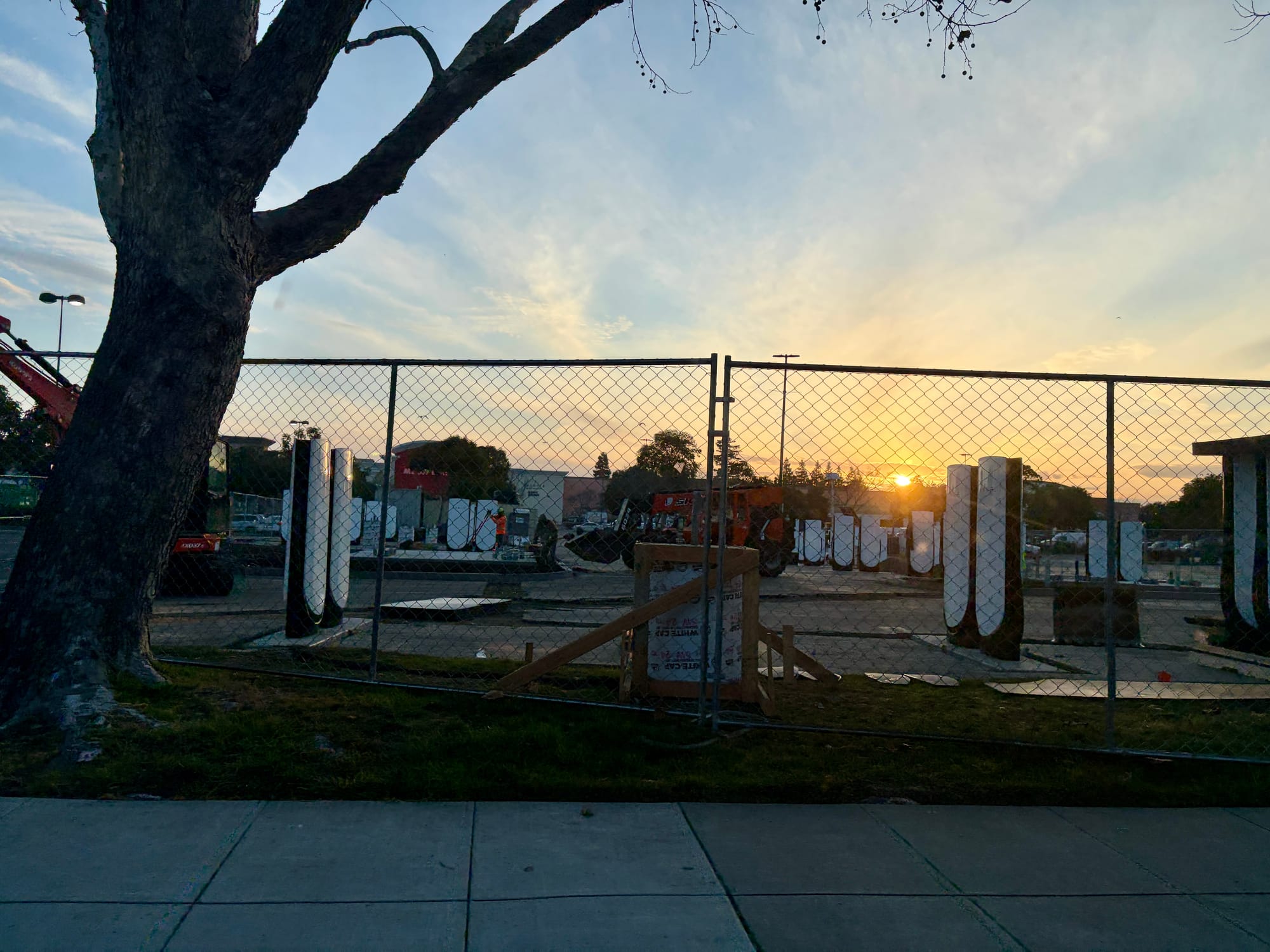
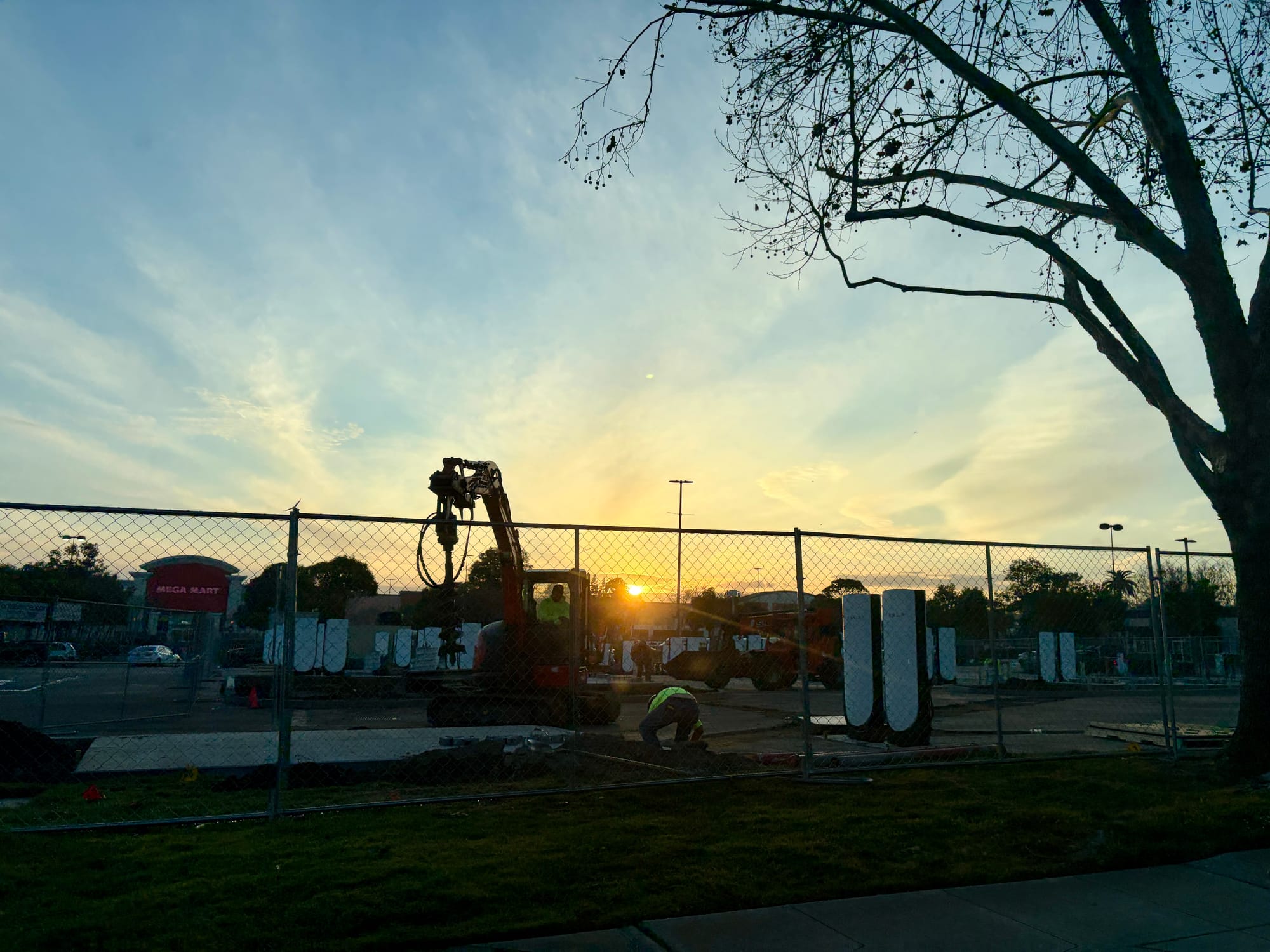
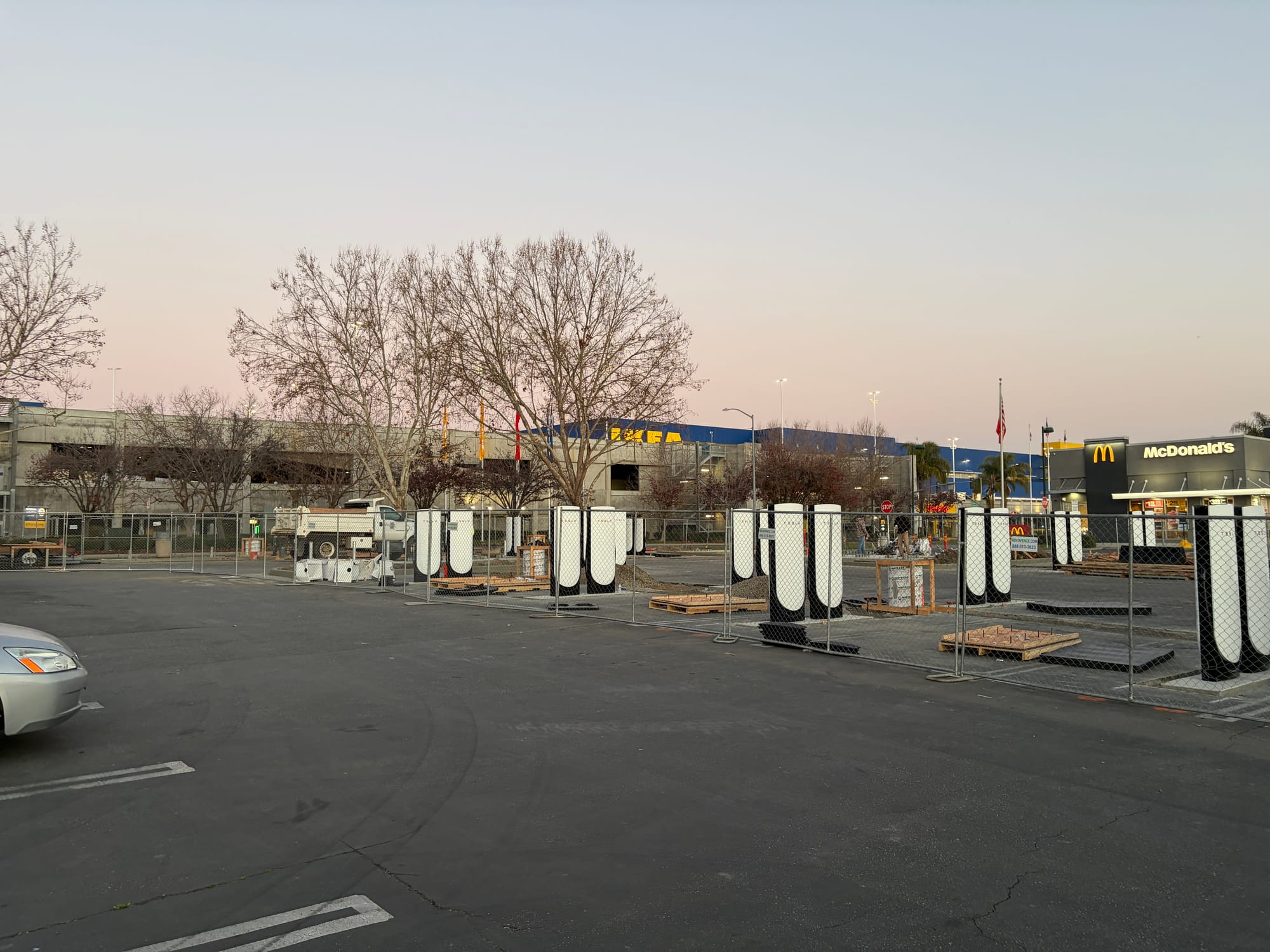
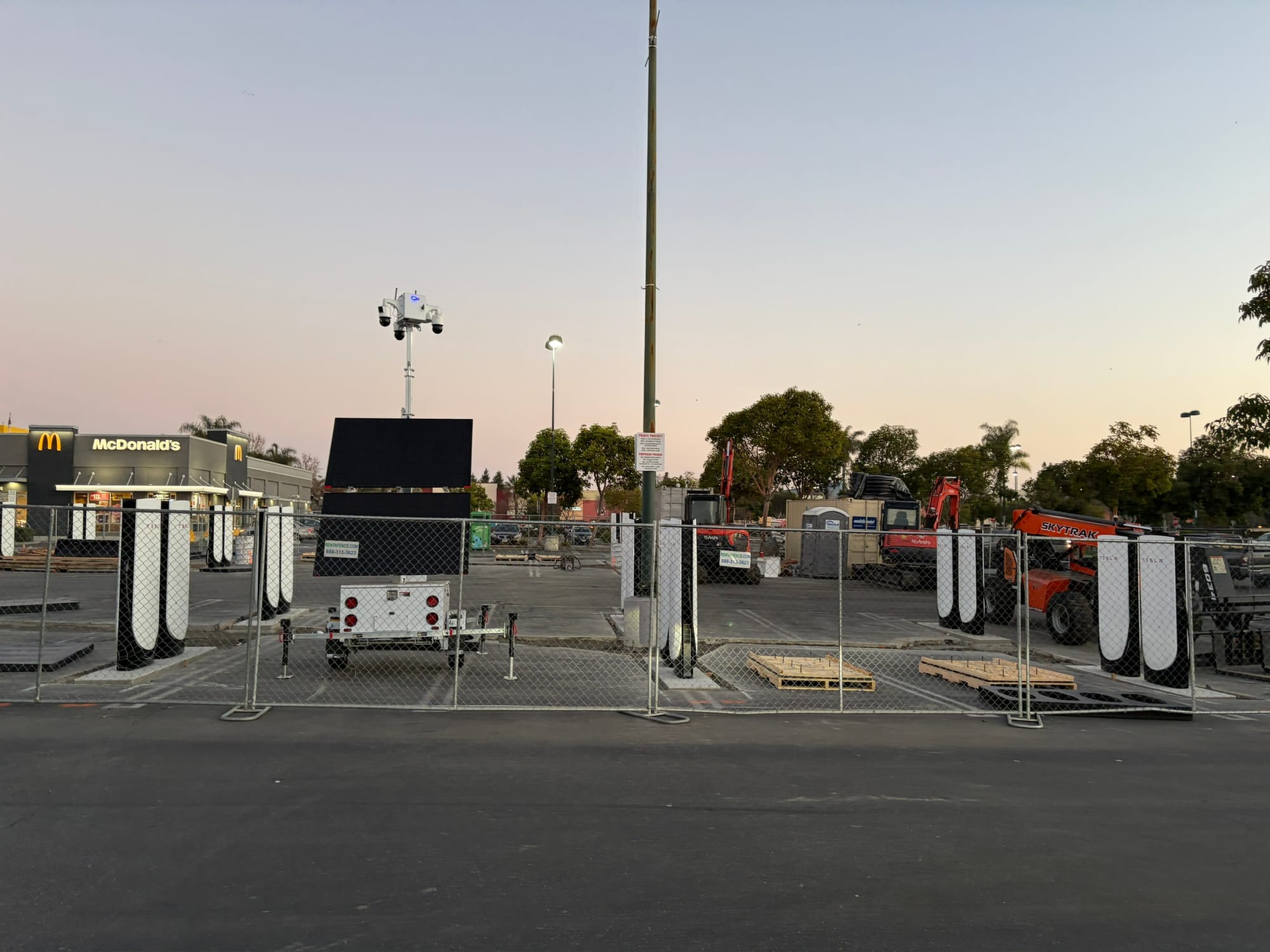
Tesla is in the middle of a major upgrade to the Supercharger site at the Ravenswood 101 Shopping Center in East Palo Alto, replacing 20 older V2 charging stalls with 48 new V4 Superchargers using V4 cabinets. Construction for similar conversions typically takes around 10 weeks, and the project is about four weeks in.
Once complete, it will be the largest V4 Supercharger + V4 cabinet installation on the Peninsula. Last week I met with the Tesla supervisor and construction owner on site, and here is what I learned.
What’s changing
The upgrade includes several functional changes:
- Stall count increases from 20 to 48
- Charging capability increases from about 75 kW to as much as 350 kW (vehicle-dependent)
- Additional lighting is being installed to improve visibility at night
Non-Tesla vehicles can use it
A key change with V4 hardware is broader compatibility for non-Tesla EVs. Drivers of other brands may be able to charge using a CCS-to-NACS adapter or by charging natively with NACS, depending on the vehicle.
Tesla’s guidance for non-Tesla charging is here: https://www.tesla.com/support/charging/supercharging-other-evs
Total Superchargers in East Palo Alto: 68
The existing 20 V3 Superchargers across the street in the IKEA garage will remain available. Those stalls are limited by IKEA access hours, but they will continue to operate in addition to the new 48-stall site.
That brings the total to 48+20=68 Tesla Supercharger stalls in East Palo Alto.
Business impacts
Fast-charging sites can drive customer activity because drivers typically stay parked long enough to buy food or shop nearby. People familiar with similar installations have described significant sales lifts at adjacent businesses; one example shared with me was a Burger King location with Superchargers that reportedly outperformed 99 other Burger King locations owned by the same owner (none of the others had Superchargers).
While results vary by location, the underlying pattern is consistent: charging time can translate into foot traffic.
Traffic and land-use implications
A 48-stall fast-charging site can affect local circulation in a few ways:
- More vehicle trips to the site, particularly as charging becomes available to a broader set of EVs (not only Tesla vehicles)
- Potential increases in short-turnover parking and queueing at peak times, depending on demand and site layout
- A shift in how nearby retail parking lots function: chargers can convert “empty” parking areas into active, semi-regular destinations where people wait, shop, and meet up
Over the longer term, EV charging can also reshape travel behavior. As driver-assistance and autonomous features reduce the discomfort of longer drives and stop-and-go traffic, regional charging hubs may attract more cross-city trips—bringing economic activity, but also adding traffic that the city may need to monitor and manage.
Environmental benefits
Electric vehicles—and the charging infrastructure that supports them—bring practical benefits for East Palo Alto beyond convenience for drivers. As more residents and visitors switch from gasoline to electric, the city can see less localized air pollution near busy corridors, which matters in a community where many people live, walk, and work close to high-traffic roads. EVs also tend to have lower routine maintenance needs, which can translate into long-term cost savings for households that adopt them, while reducing the constant demand for gas station trips.
Other local EV charging projects
Separately, East Palo Alto has received a grant for 20 public Level 2 chargers (typically around 6 kW), which would be particularly useful for residents and longer-duration parking. I have not yet seen the city issue an RFP for that project.
Electric vehicle charging infrastructure is just one part of our wider strategy in our 2030 Climate Action Plan. Other projects that can support more sustainable ways of getting around: safer routes to school, more housing projects so people can live closer to jobs rather than urban sprawl to 40+ miles away, better transit, more connectivity over Highway 101, and many others.