The "Missing Middle" Math Problem: Why We Aren’t Building Small Infill Housing
The "Missing Middle" Math Problem: Why We Aren’t Building Small Infill Housing
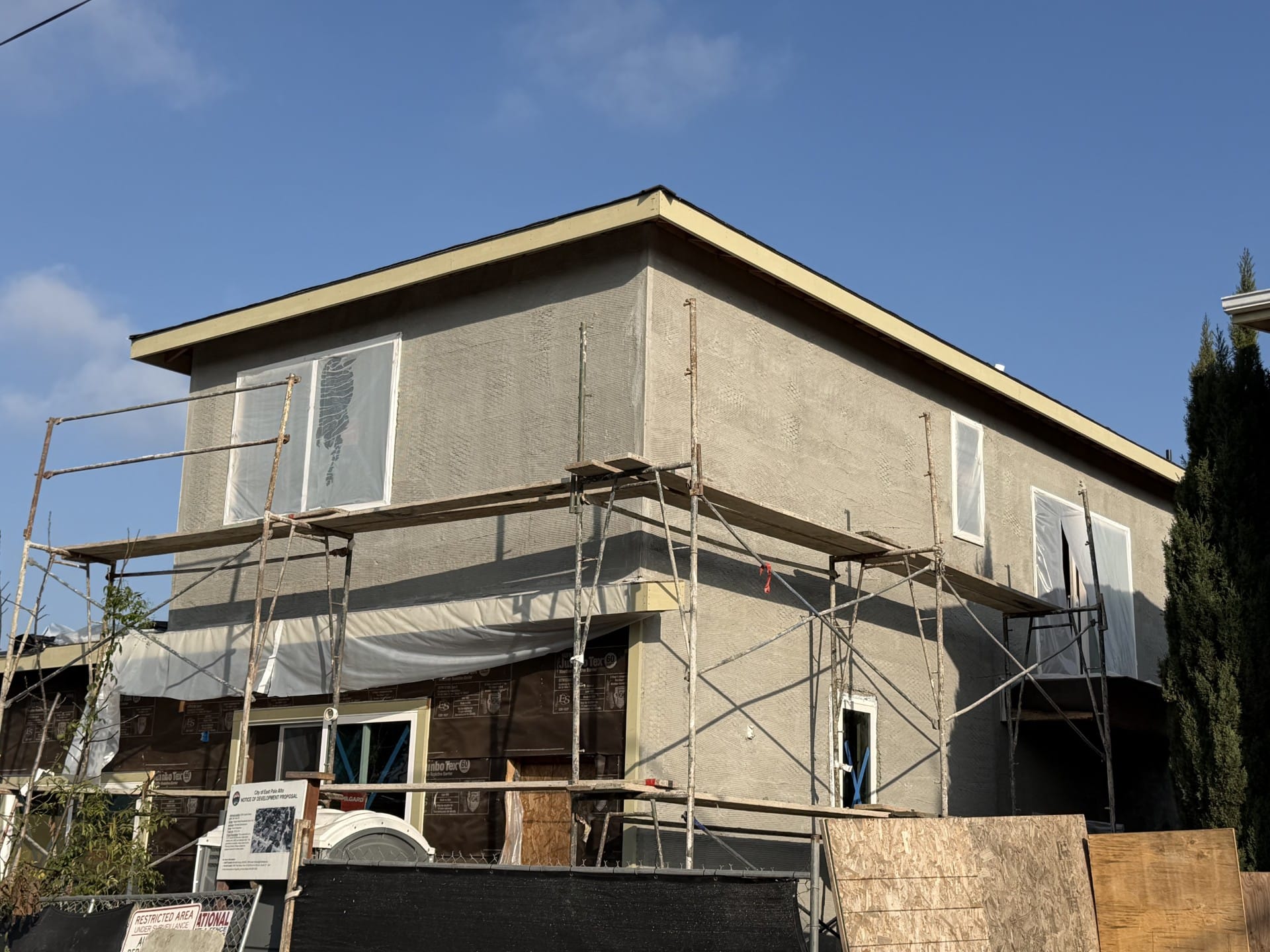
We talk a lot about the "Missing Middle"—those duplexes, triplexes, and townhomes that bridge the gap between massive apartment complexes and sprawling single-family estates. They are the holy grail of urban density. I just spoke with a guy who has spent five years of trying to move the needle on a modest project at 2206 Lincoln in East Palo Alto. This project is a duplex with an upper and lower level, with two ADUs. Collectively, this is a 3500 square foot project - the same size as a large single family home.
Unlike building a single family home, when you try to build a duplex with a Junior ADU, you aren't just fighting for permits; you are fighting a disjointed bureaucracy where every department operates in a vacuum. The result? A project that should be a win for the community becomes a cautionary tale of "death by a thousand cuts." The reality is clear: The system is designed to kill the small builder.
Infrastructure Overkill
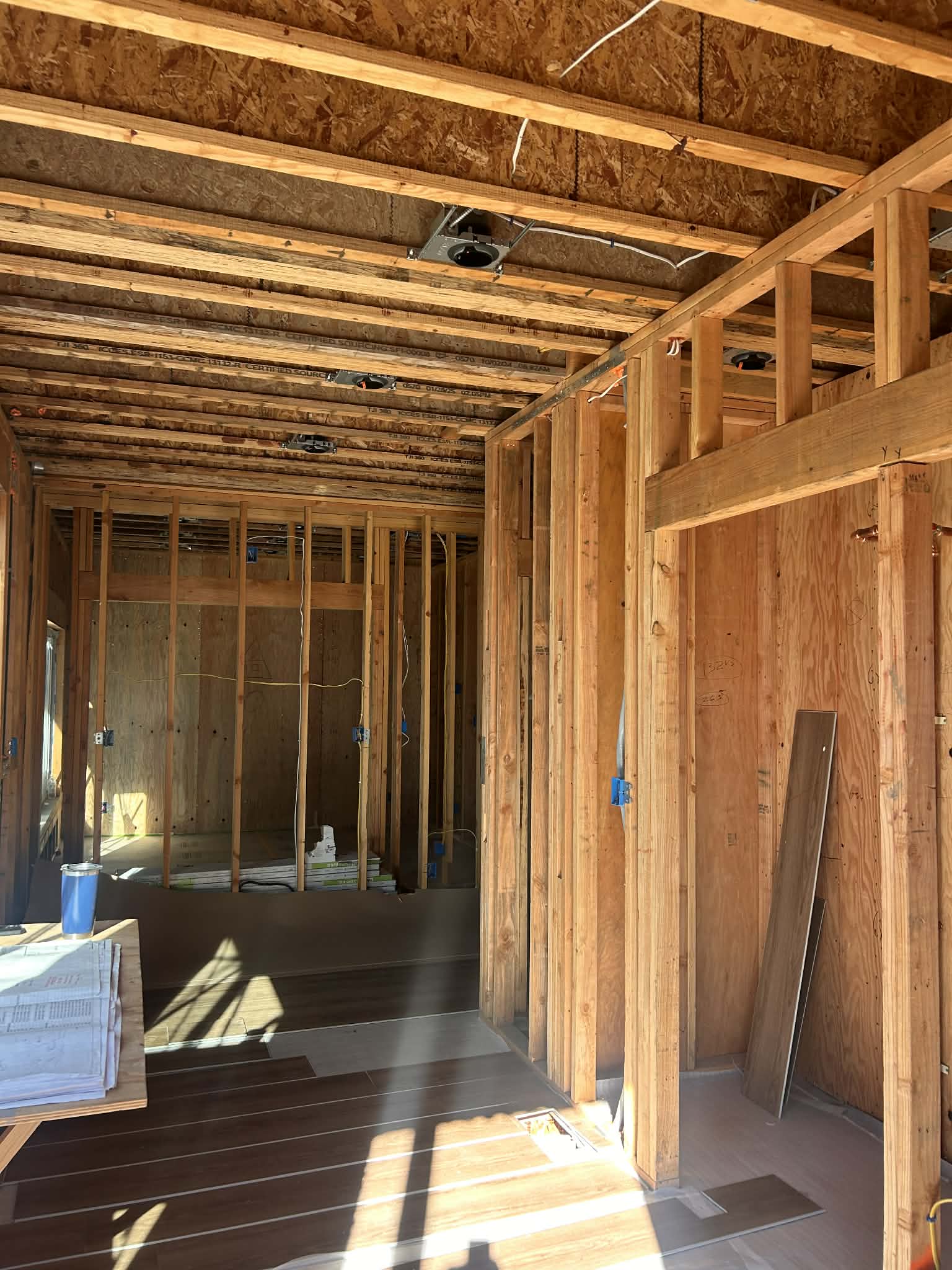
In a rational world, a small residential building like this would be treated the same as a similarly sized single family home. Instead, because of R-2 classifications and local density amendments, this project is being saddled with the same commercial-grade requirements as a six story 75 unit building:
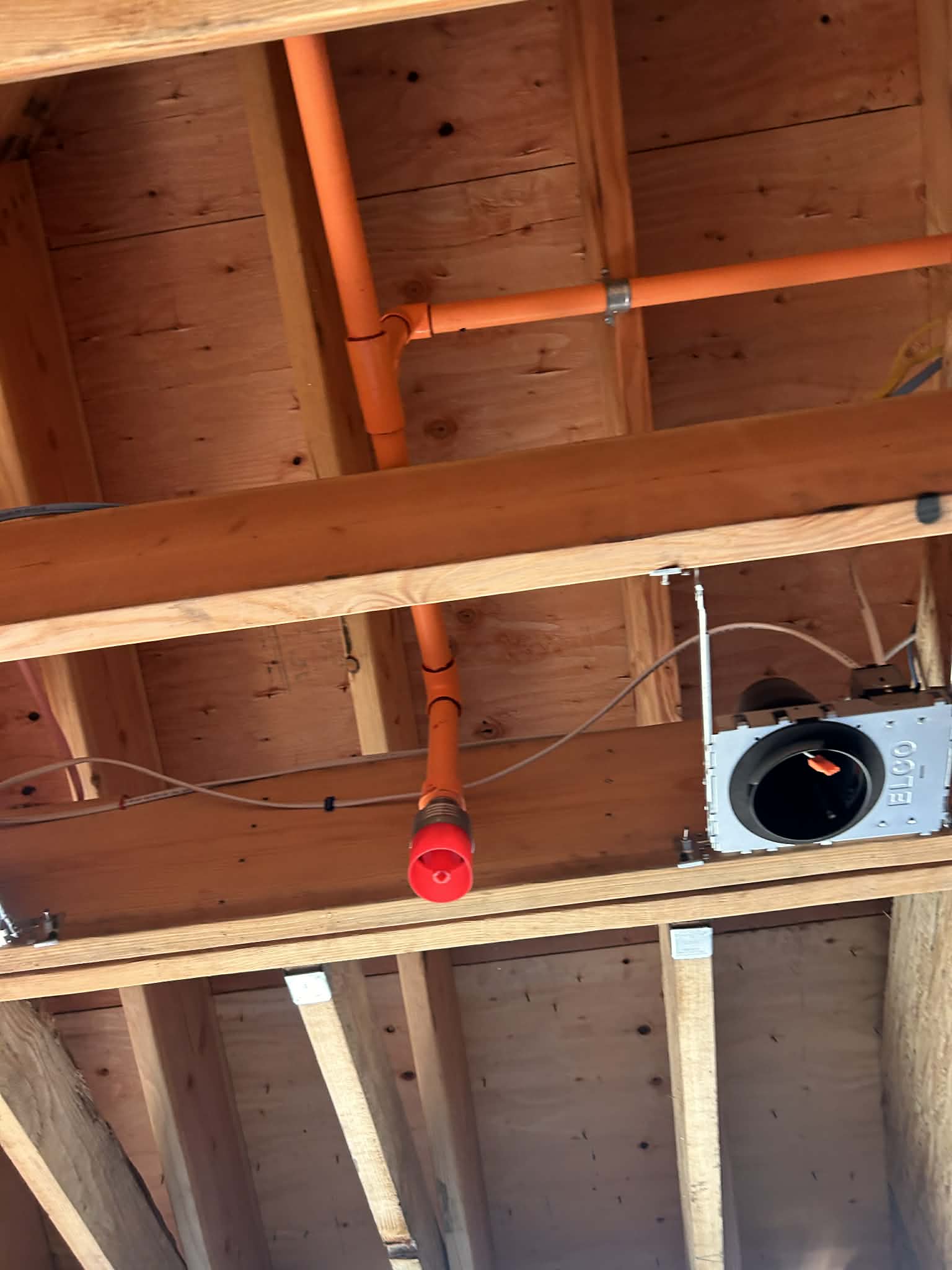
- The $200,000 Fire Pump: Due to limited water pressure in the municipal system and the need to meet NFPA 13 sprinkler standards, the project must install a fire pump system. That requirement alone adds roughly $200,000 in equipment and installation costs
- The "Hot Tap" Mandate: Rather than allowing a single service line with an internal manifold, the Water Department requires individual "hot taps" into the main line for every unit. Each hot tap itself costs roughly $10,000 to $15,000, and once excavation, street work, and related construction are included, the total cost associated with these connections reaches roughly $120,000 before a single wall is framed.
- The Backflow Penalty: Add another roughly $80,000 for required backflow prevention equipment and installation, and suddenly a small infill project is spending roughly $350,000 to $400,000 on pipes and pumps before the first tenant ever sees a floor plan.
- The Foundation: For a standard single-family home (SFH), you might skip piers entirely. For this project? 70 piers sunk to 20 feet for the main unit, 10 piers for the ADU. The cost of the foundation piers alone sits at $250,000.
Carrying Cost Crisis
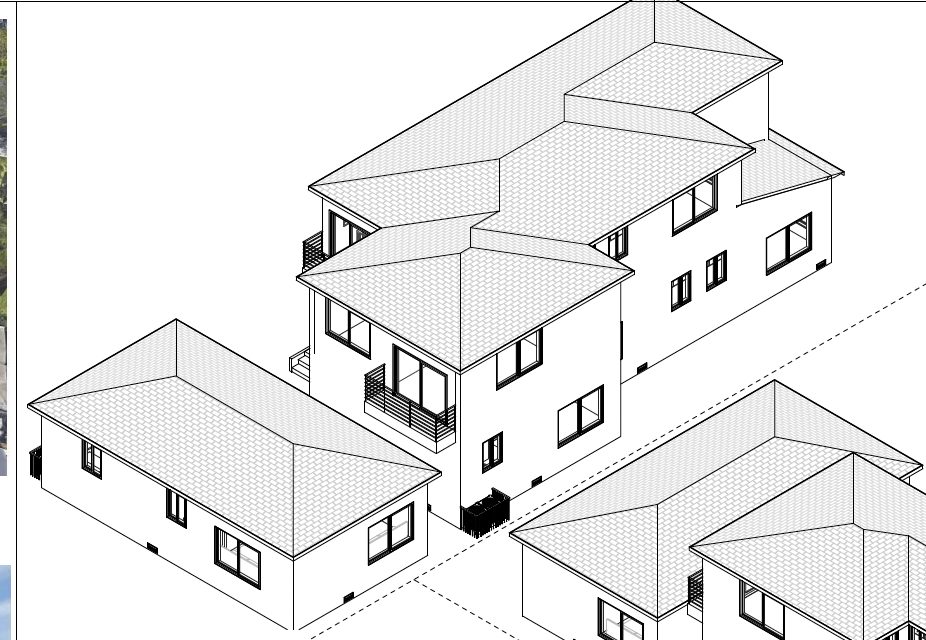
- Time is the ultimate silent killer. This project has spent nearly five years moving through planning approvals and coordinating across multiple departments.
- Because certain approvals depend on others, for example sprinkler approvals affecting construction sequencing, delays in one review process can stall the entire project.
- Meanwhile, the developer continues paying for land, financing, insurance, consultants, and project management. Carrying costs can easily reach tens of thousands of dollars per month.
Over five years, that high carrying costs aren't just a "business expense"—it's a project-ending catastrophe.
The "In-Lieu" Catch-22
To make matters more complex, the project includes an affordable unit (35% AMI). This city requirement results in the developer losing roughly $700 per month on rent, or face a $100,000 in-lieu fee. While the goal of affordable housing is noble, the city makes it nearly impossible to fund that mission when they simultaneously demand an additional $200,000 in arbitrary infrastructure upgrades.
"None of this makes sense, but you have to do it."
That is the unofficial mantra of the small-scale developer today.
The Bottom Line: Location Matters
If this project were in San Jose, the story might be different. But in East Palo Alto, the lack of interdepartmental coordination means that a duplex is treated with the same bureaucratic weight as a 50-unit complex.
Small infill projects are the key to solving the housing crisis, but until the Fire, City, and Water departments start talking to each other about proportionality, the missing middle will stay missing.
This is not a problem unique to East Palo Alto. I found this podcast by UCLA Housing Voices helpful in exploring some of the solutions to the problems that plague missing middle housing:
 Lewis Center
 Opticos Team
I ran for council with a promise to focus on housing. It is clear that much work needs to be done in our city to make housing feasible and to see it actually get built. Until we fix serious issues that make Missing Middle housing extremely difficult and expensive to build, our housing shortage will only continue.