East Palo Alto Vehicle Collisions: Trends, Hotspots, and Safety Concerns
Analysis of 346 East Palo Alto vehicle collisions from January 2024 through June 2025 reveals rising crash rates, a strikingly high number of hit-and-runs, and injury hotspots concentrated on major corridors such as University Avenue and Bay Road.

Executive Summary
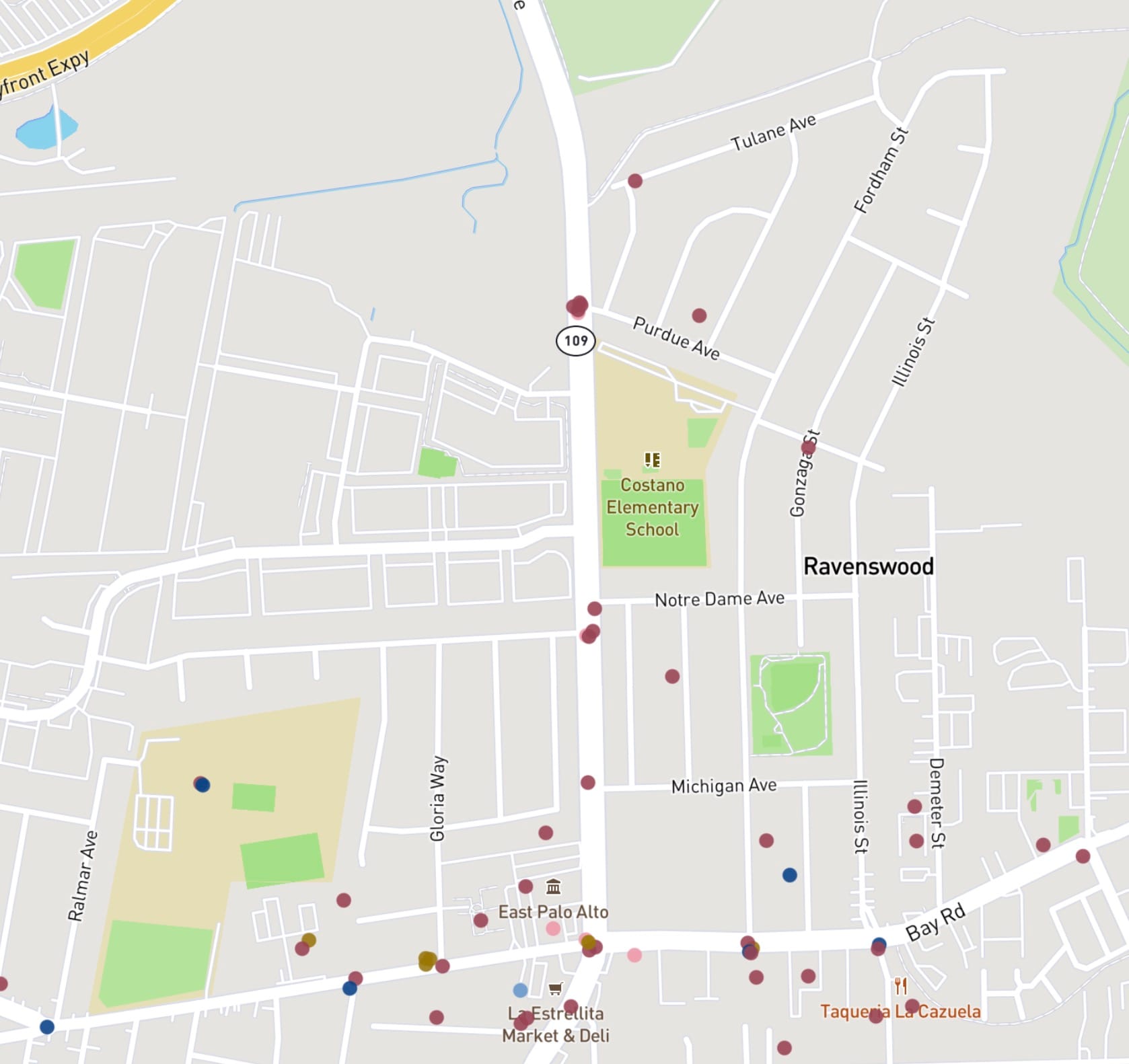
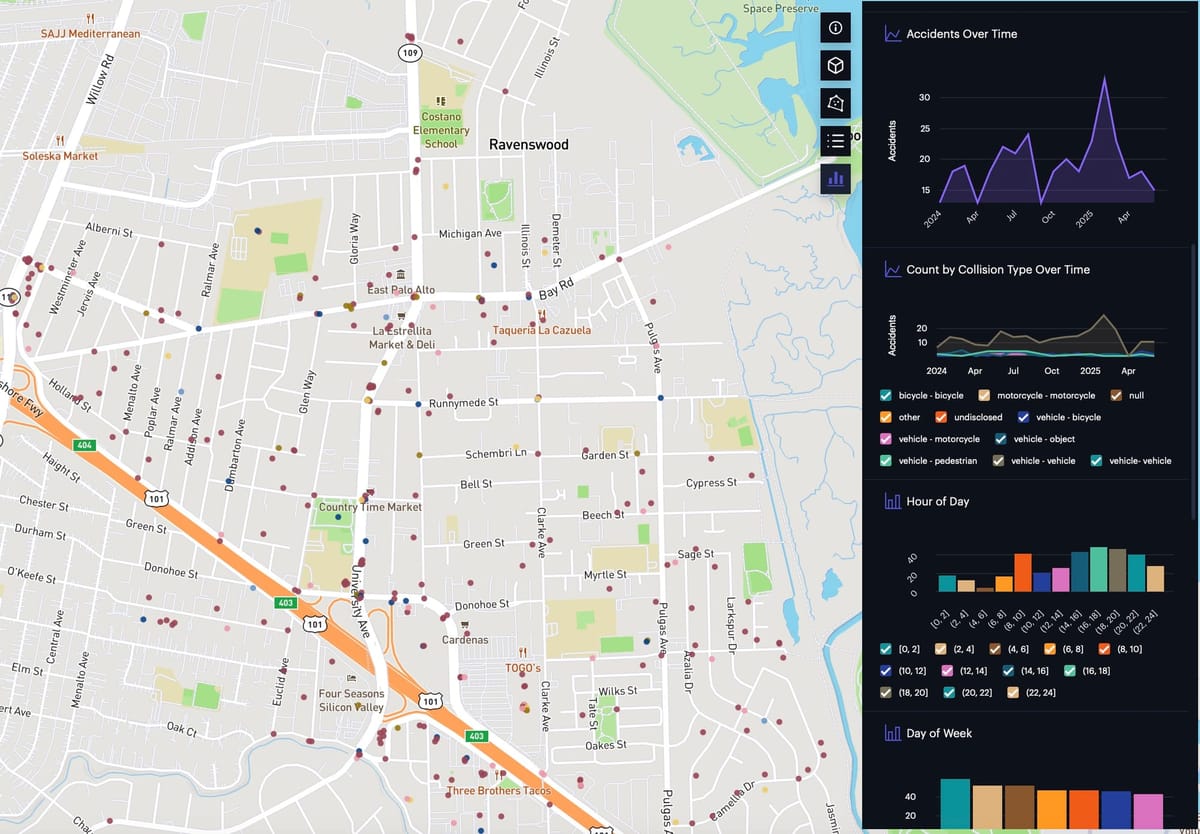
I requested vehicle collision data from the East Palo Alto Police Department and graphed it in this map visualization: https://epasun.org/vehicle-collisions-data/. This includes all collisions that involve a vehicle, including collisions between a vehicle with another vehicle, pedestrians, bicycles, and objects.
Of the 346 vehicle collisions between January 1, 2024 to June 30, 2025 (18 month period), there were:
- 2 fatal injuries; 11 major injuries; and 138 minor injuries
- 184 hit and runs (53% out of total collisions), of which 129 were misdemeanors and 55 were felonies
- 260 vehicle-vehicle collisions (75%); 33 vehicle-object (10%); 28 vehicle-bicycle (8%); 20 vehicle-pedestrian (6%); 5 vehicle-motorcycle (1%)
- 95 side swipes (27%), 76 rear ends (22%), 76 broadside (22%), 47 head on (14%).
Increasing Numbers of Collisions
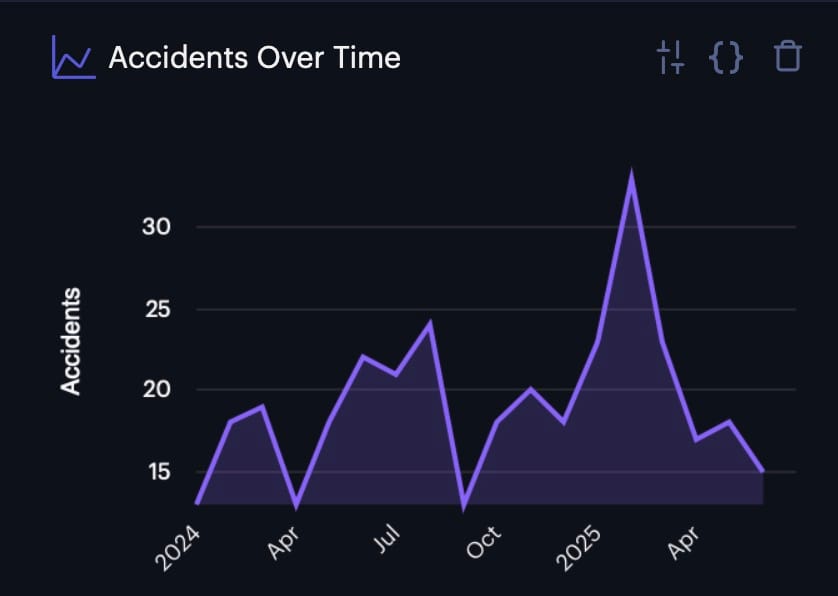
The number of collisions has been increasing over time. In February 2025 there were 33 vehicle collisions, an 83% increase compared to the 18 vehicle collisions in February 2024.
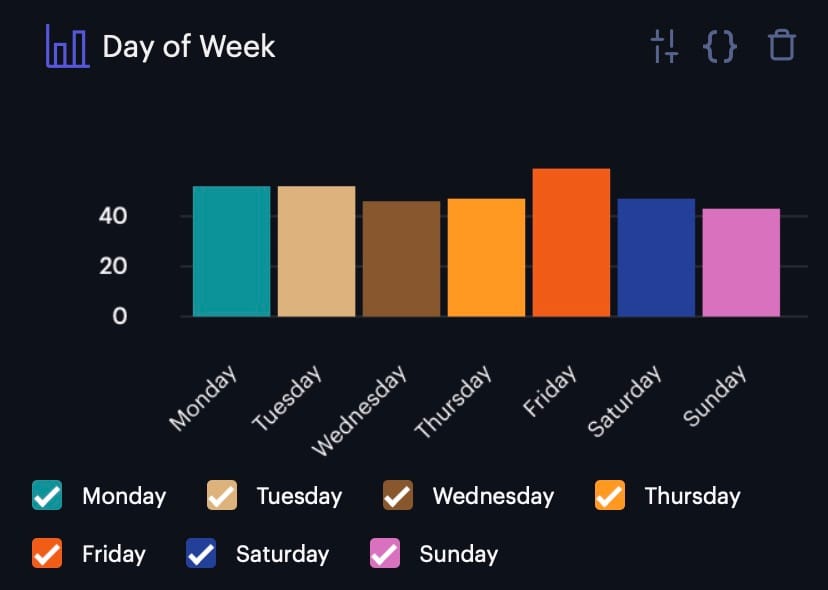
Most collisions occur on Friday
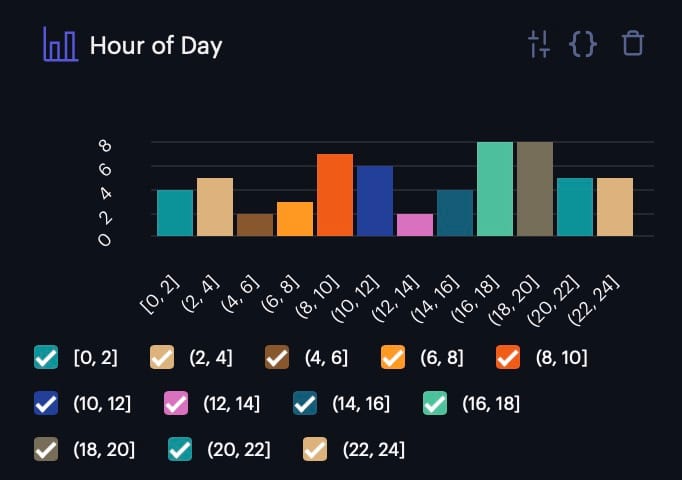
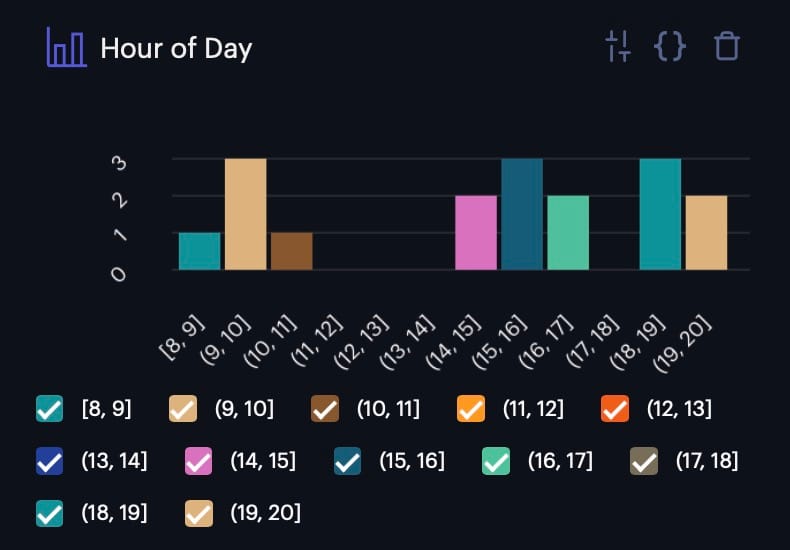
Of the collisions that occurred on Fridays, most occurred in the evening between 4pm to 12am.
Hit and Runs
There are a lot of hit and runs in East Palo Alto: 120 hit and run misdemeanors and 55 hit and run felonies. Hit and runs account for 53% of total collisions! That means that if you were in a vehicle collisions, there is a greater than 50% chance that one of the parties would have taken off.
Bicycle Collisions
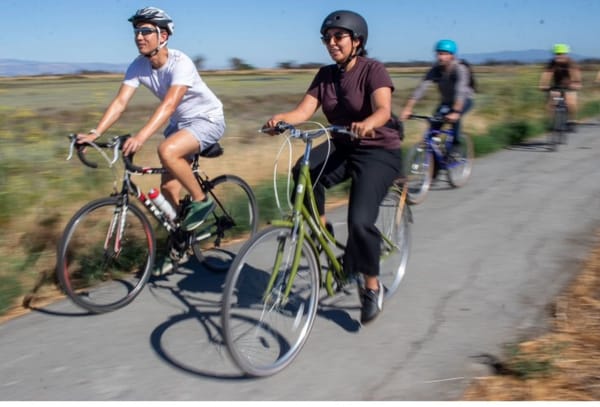
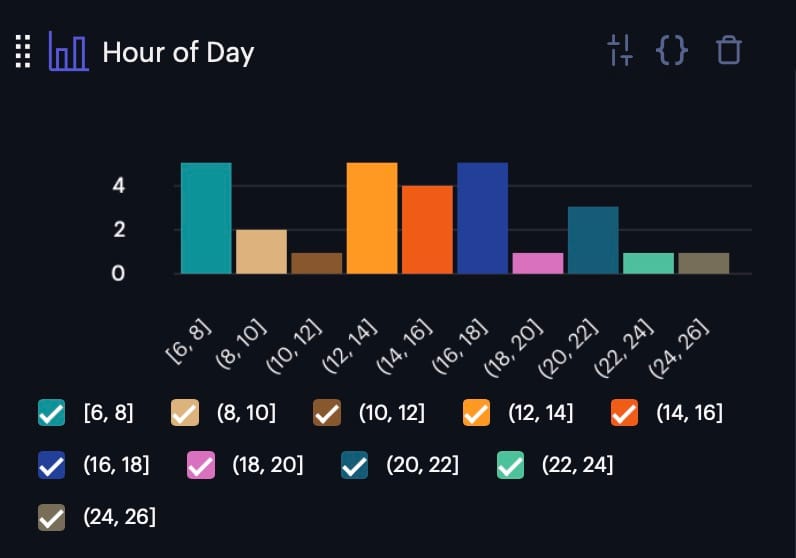
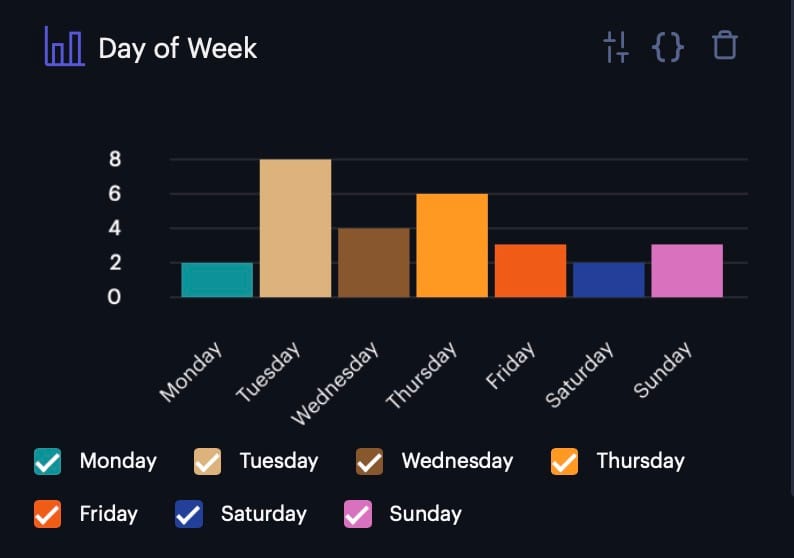
Out of the 28 vehicle-bicycle collisions, 10 of them occurred on University Ave (6) or Bay Rd (4), which are identified by San Mateo County to be our high injury networks. Almost every single incident resulted in an injury: 4 major injuries and 26 minor injuries.
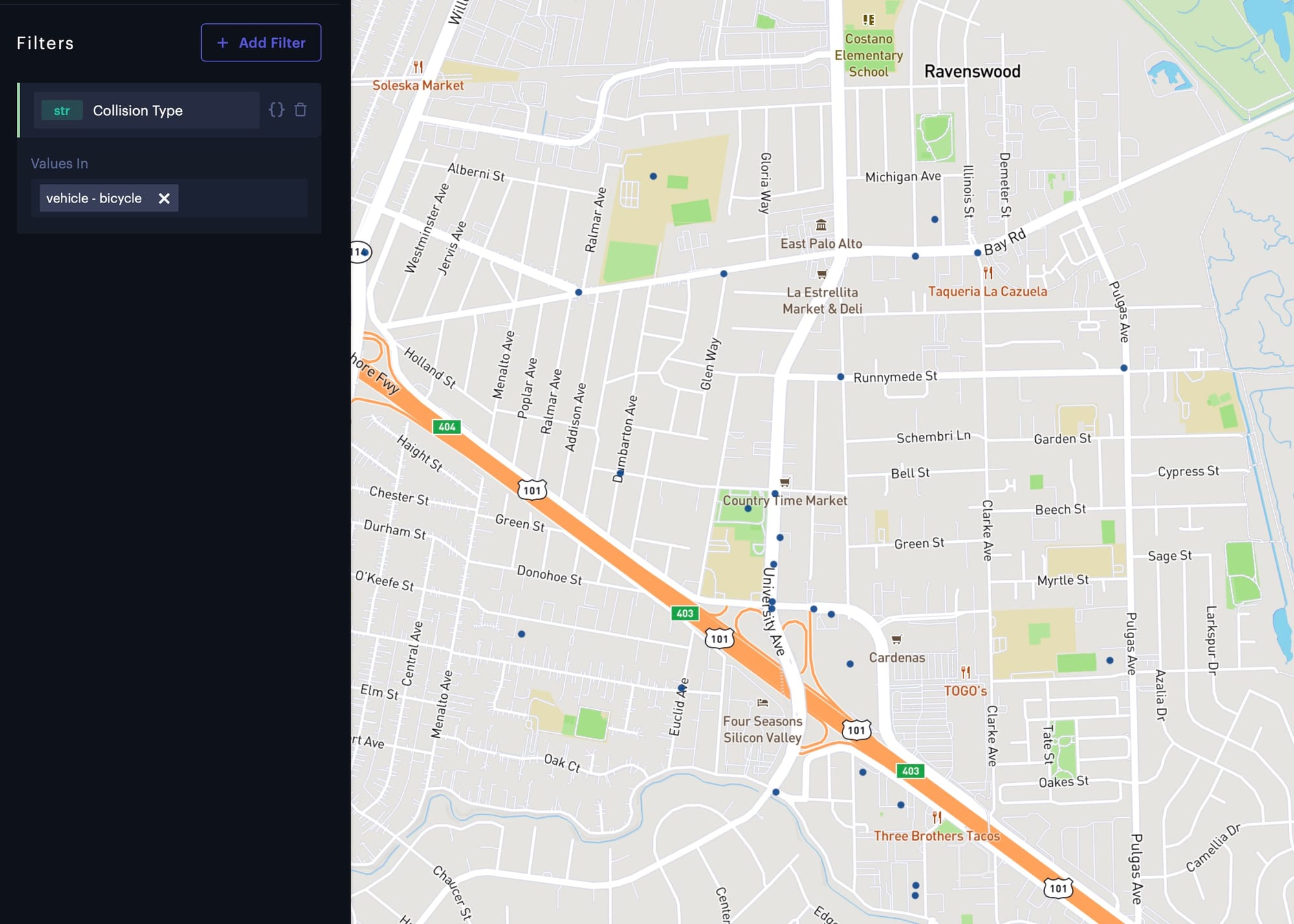
16 were hit and run incidents (57%).
Pedestrian Collisions
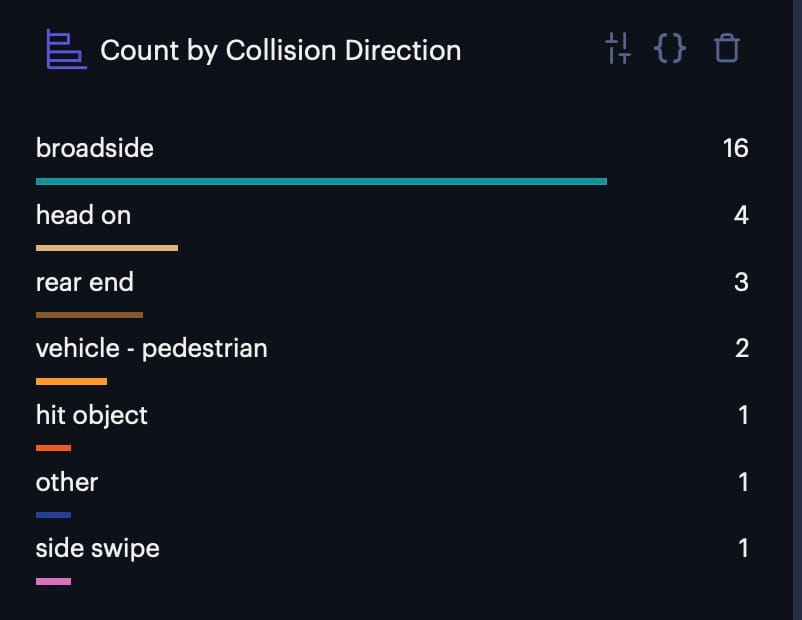
Vehicle - pedestrian collisions also occur more frequently on University Ave or Bay Road. Notably, there were 2 collisions in the Ravenswood 101 Shopping Center.
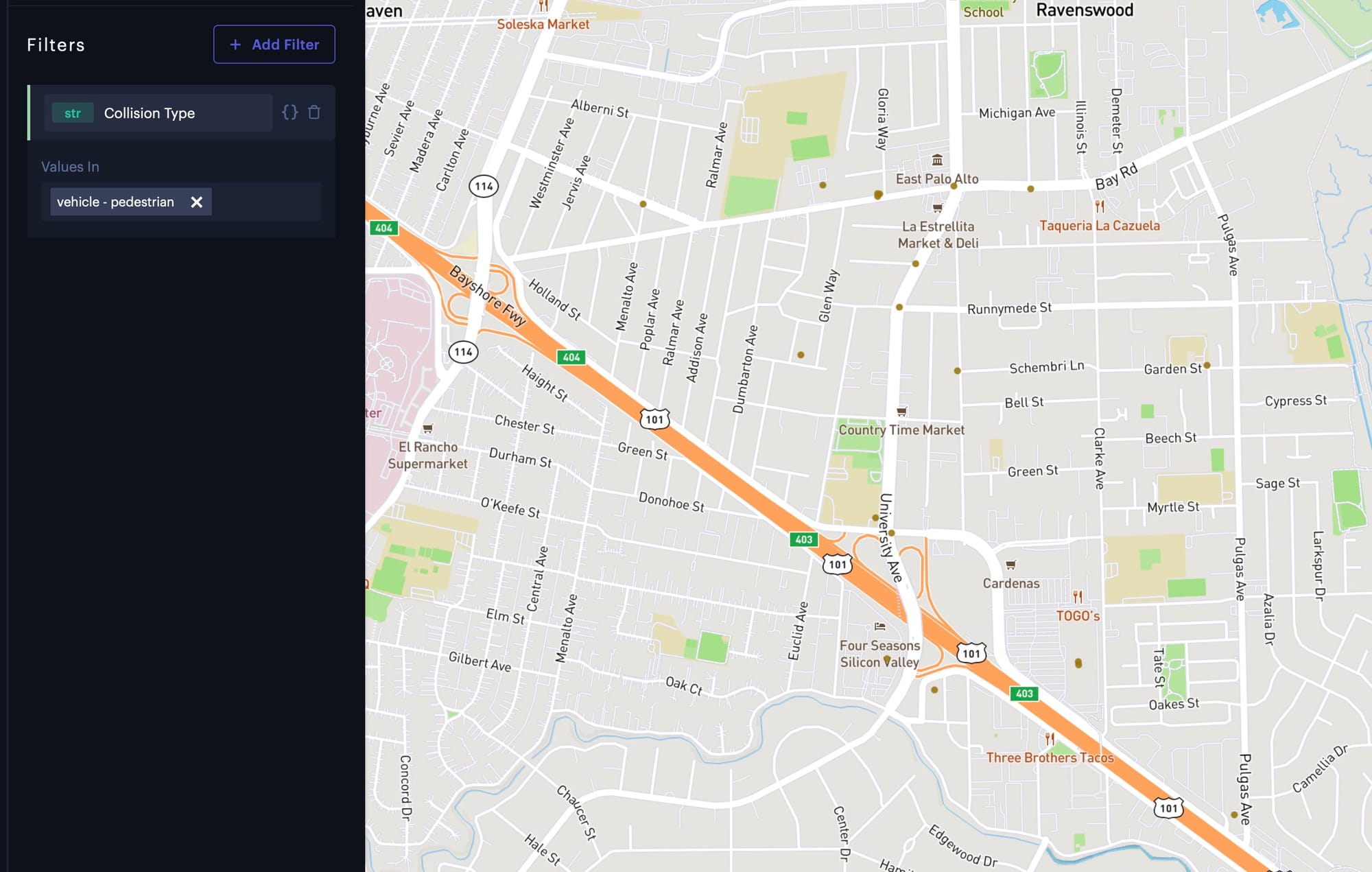
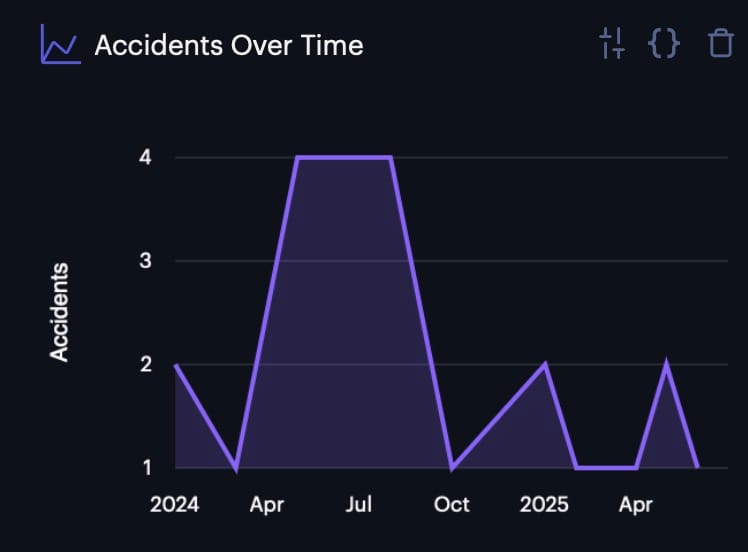
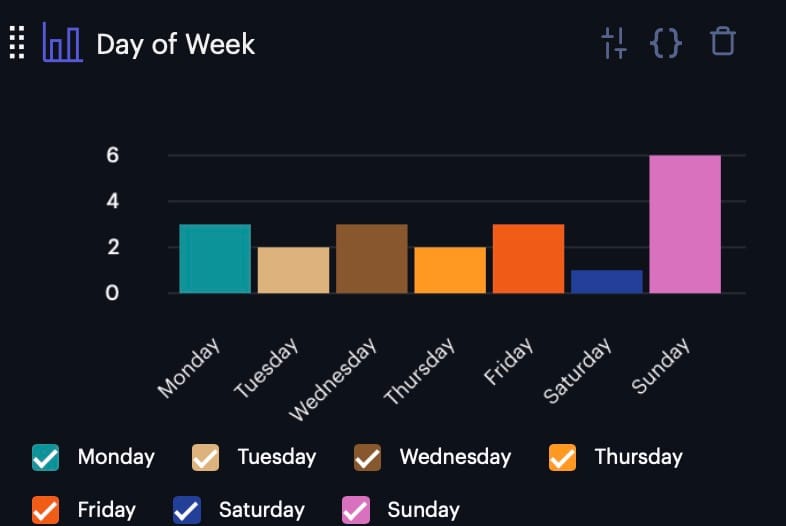
Vehicle - pedestrian collisions have decreased from their peak in spring 2024. Sundays had the most pedestrian collisions. Most pedestrian collisions occurred during morning and evening rush hour, with some between 6pm - 8pm.
Side Swipes
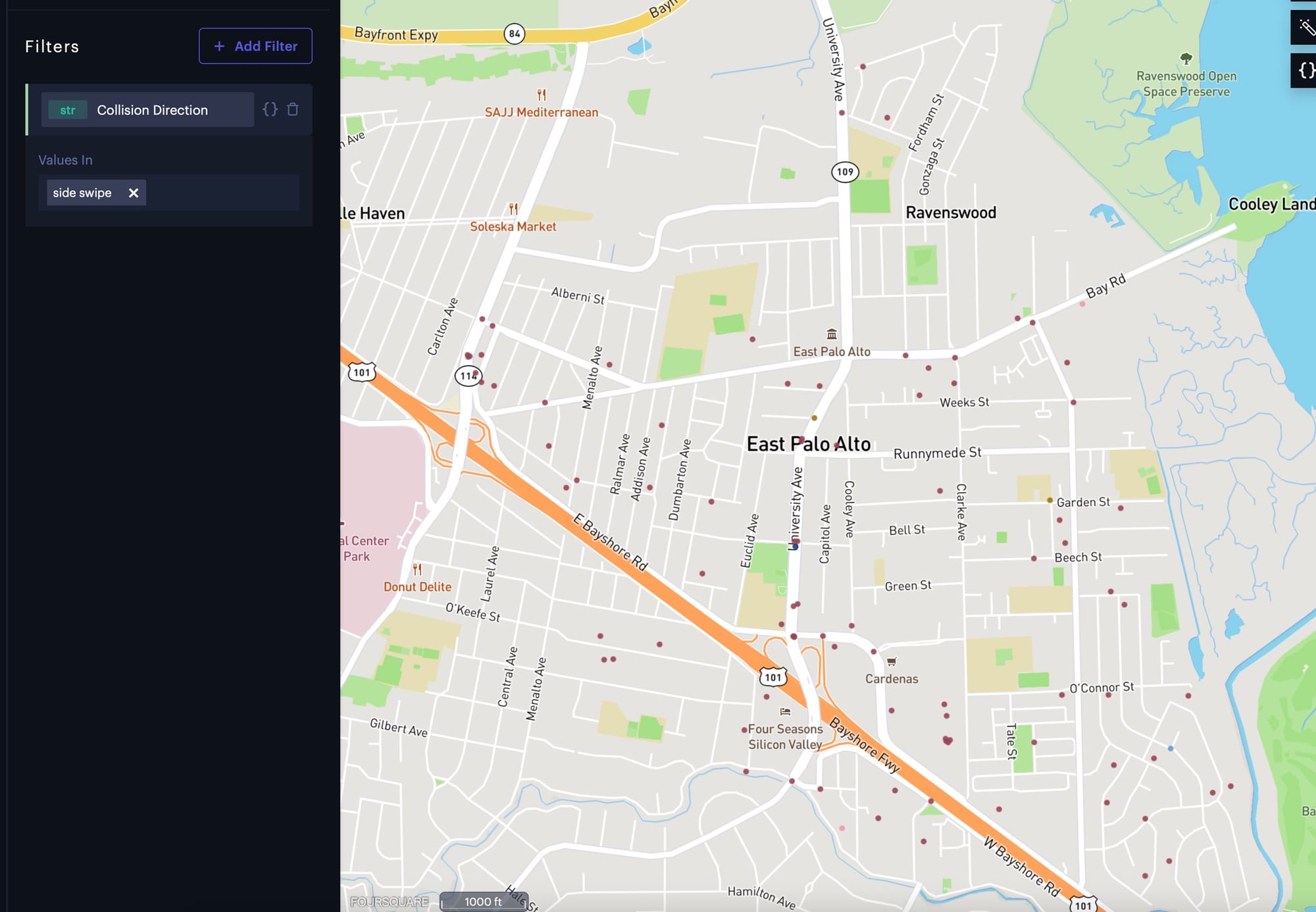
A side swipe occurs when vehicles collide with each other each from the side; the vehicles are traveling parallel to each other, either in the same direction or in opposite directions. It is not a surprise that the Palo Alto Park and Gardens neighborhoods have many side swipes since the roads are narrower and there are often double parked cars, trash cans, and other objects blocking the roadway.
Head On Collisions
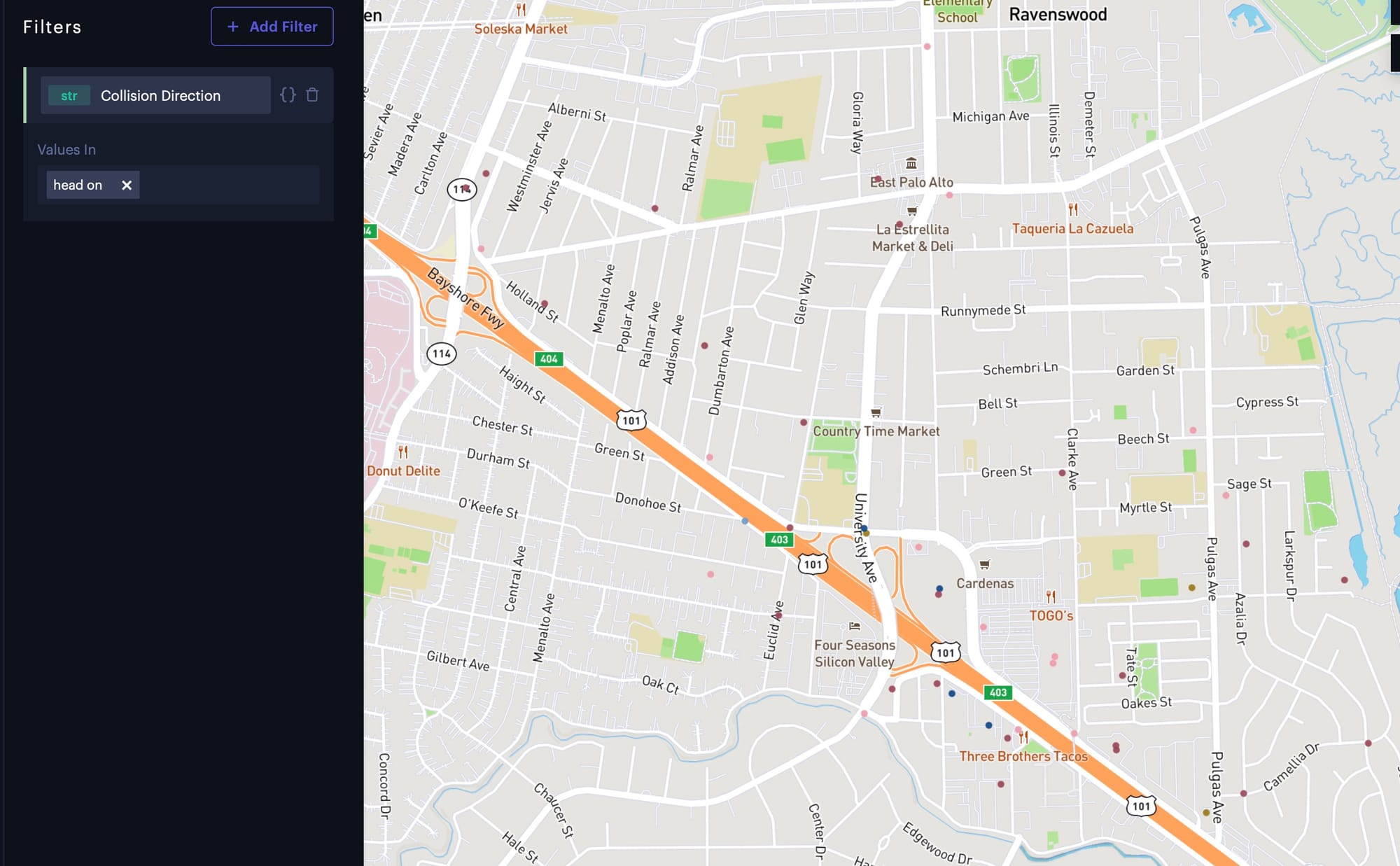
The West Side has a larger share of head on collisions, particularly on the public and private streets close to West Bayshore Road.
Rear Ends
Rear end collisions appear to occur mostly during morning and evening weekday rush hours on University Ave and Donohoe, along with side streets (Capitol, Cooley, and Euclid) which are used as cut through.
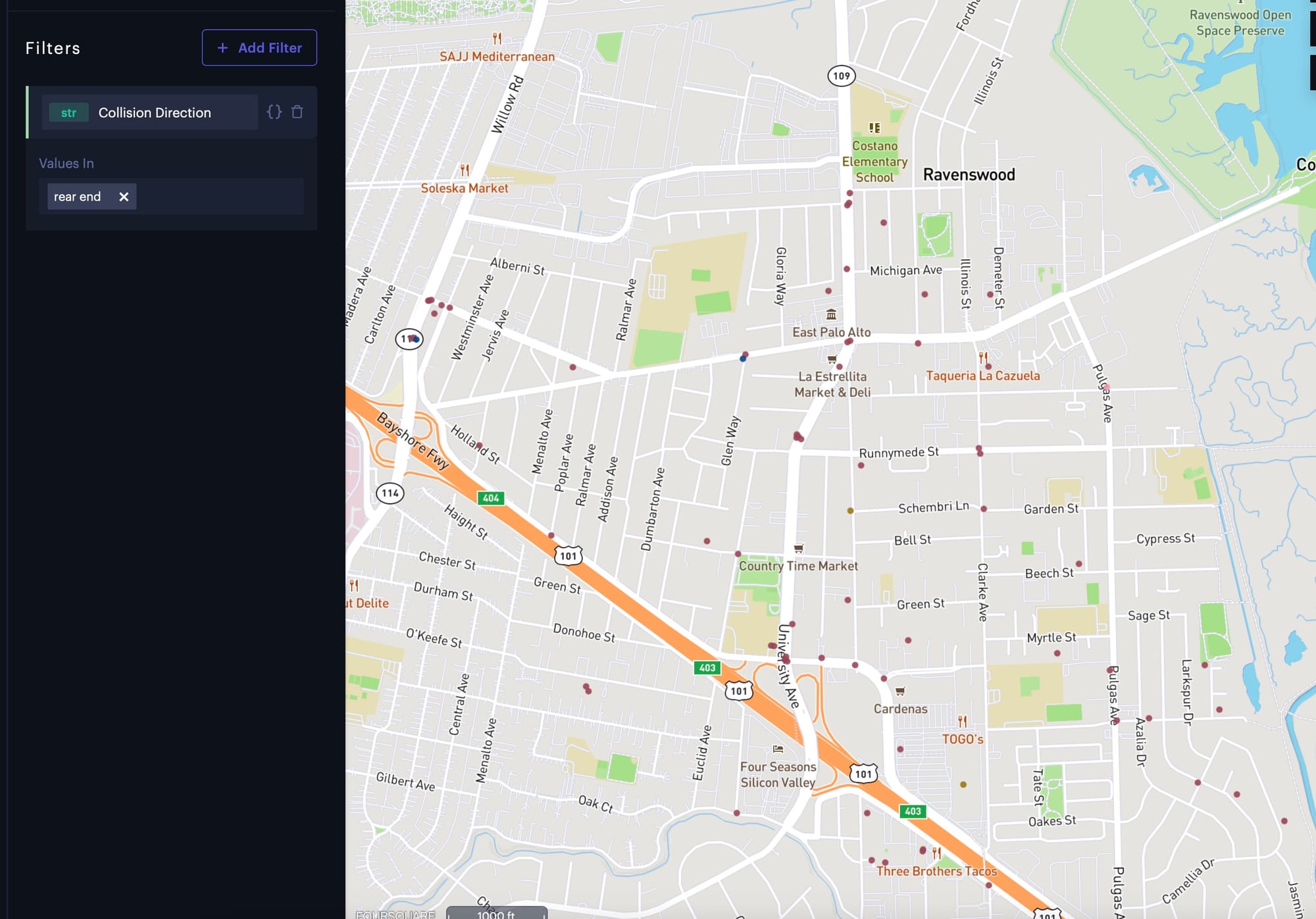
There are also a number of rear end collisions in the Gardens neighborhood.
Broadside Collisions
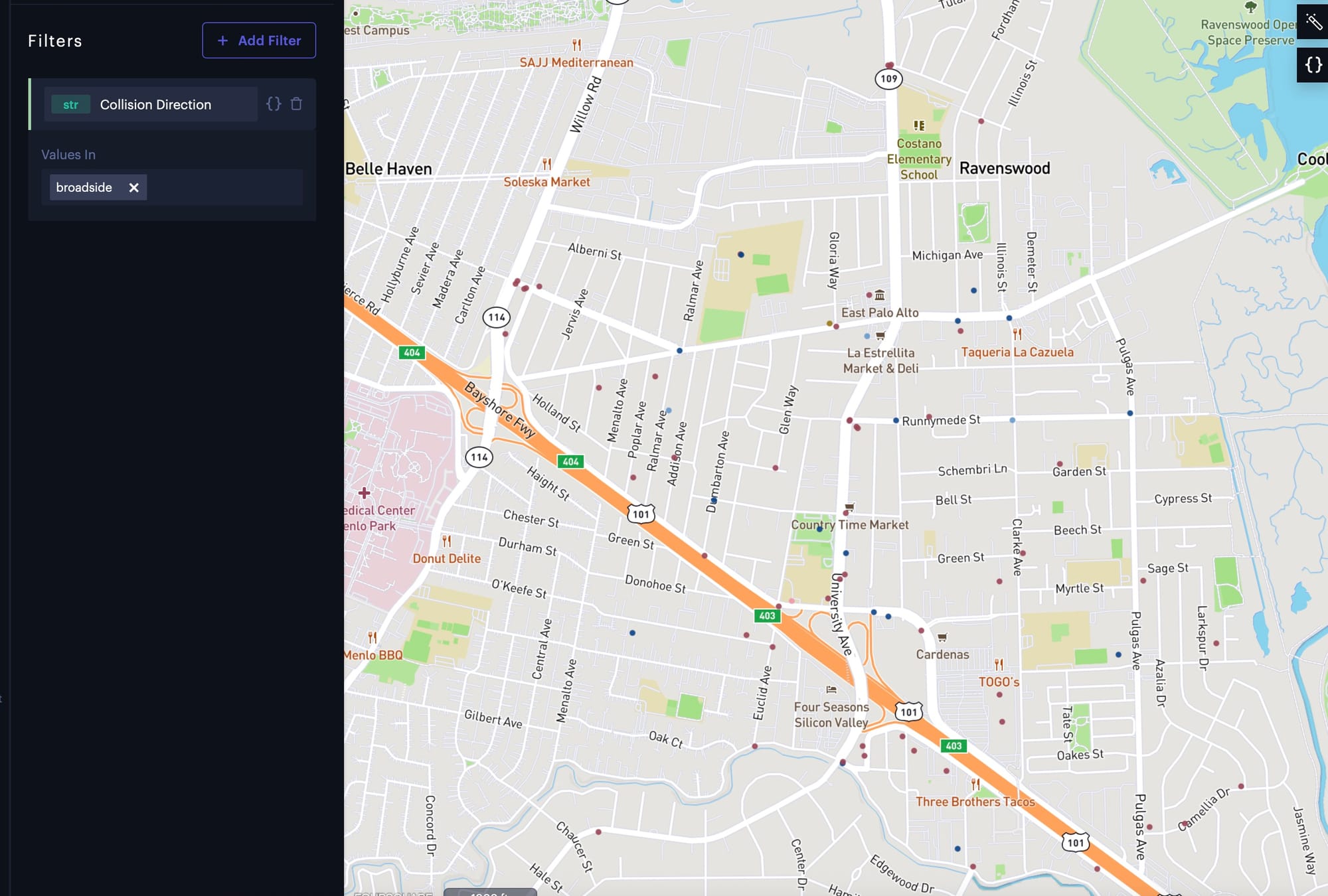
Palo Alto Park appears to have a larger portion of the broadside (perpendicular / T-bone) collisions in front of homes. This is likely cars leaving their home by driveway that collide with cars using the road outside the home. I am surprised that University Village and the Gardens - both of which have similarly sized lots and road configurations as Palo Alto Park - have fewer broadside collisions. One thing I have observed is that Palo Alto Park typically only has 1-lane driveways - because it was built pre-World War II (1944) compared to the Gardens and University Village which were built in around 1950 - which means a narrower driveway and less visibility from the driveway onto the street.
Fewer Injuries in Neighborhoods
Most of the injuries appear to be on the major roads, rather than residential neighborhoods. While there are vehicle collisions (as shown earlier) in residential neighborhoods like Palo Alto Park, University Village, the Gardens, and the Weeks neighborhood, there are relatively fewer injuries in those areas. My hypothesis is that the narrower roads cause cars to drive slower. Even if there are collisions, fewer people are hurt there because of the slower speeds.
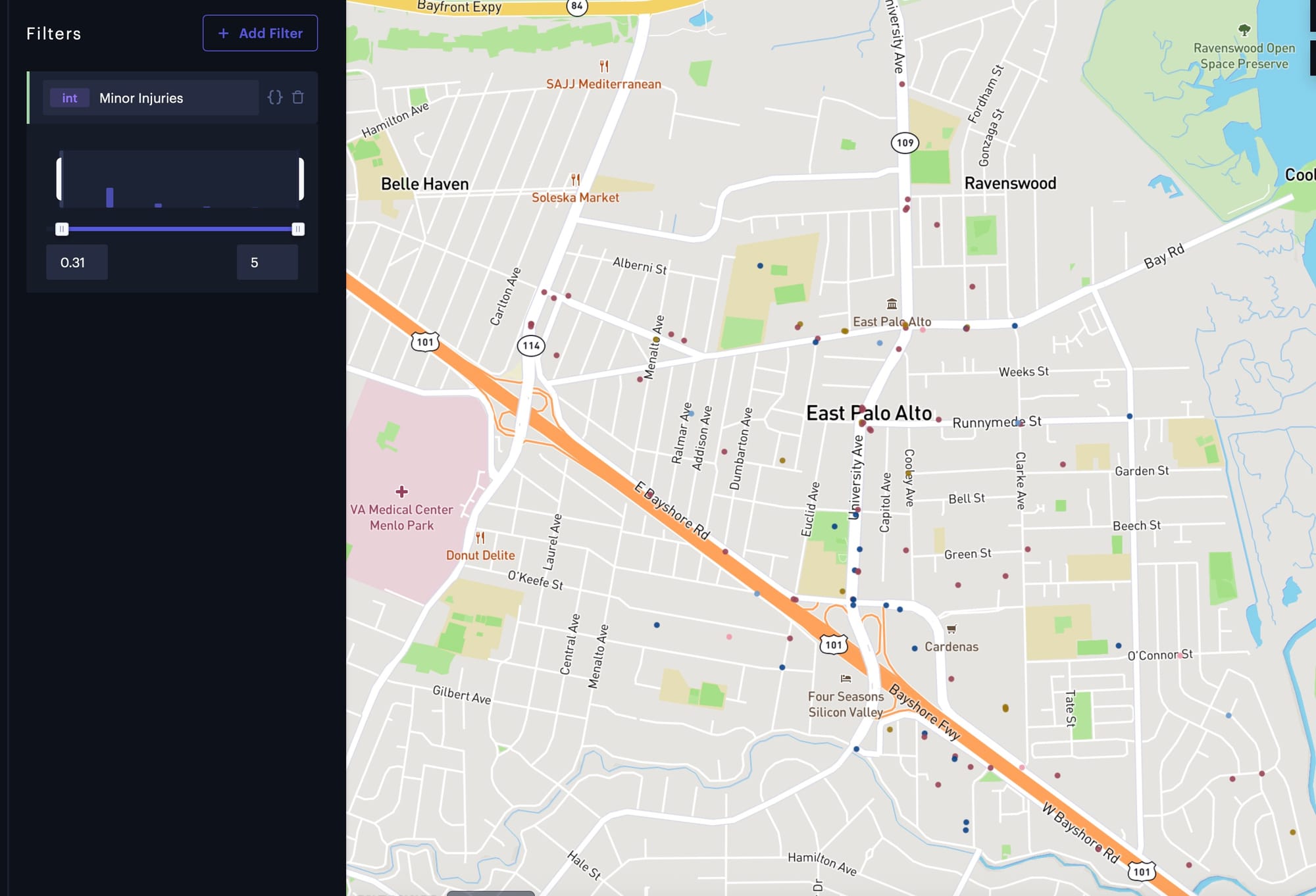
Interestingly, the west side south of university still has a number of injuries, mostly near West Bayshore Road. The fully parked streets there make it difficult for cars pulling out of private property onto West Bayshore Road to see cars on West Bayshore Road. I believe that some safety measures need to be taken, especially because West Bayshore Road is a 35 mph road with fewer stop signs.
University Village and Kavanaugh Have Fewest Collisions
The Kavanaugh neighborhood only had 1 collision over 18 months, and University Village had 6. Both of these neighborhoods have outperformed the rest of East Palo Alto.